
Casual players across Australia often hear “gaming” and “gambling” swapped like synonyms, but the distinction is sharper than a casual arvo chat suggests. One side leans toward skill, fixed outcomes, and entertainment value; the other centres on chance, wagering, and real-money risk. Understanding the line matters before you commit time or cash, especially when regional Queensland clubs, online platforms, and app stores all blur the edges. This walkthrough maps how a player actually runs into each model, what the experience feels like in practice, and where the practical boundaries sit.
That line gets blurred fast when social casino apps and sweepstakes platforms start offering real prize pools, leaving many punters unsure where pure play ends and wagering begins. If you’re trying to separate legitimate entertainment venues from regulated betting sites, checking a clear gaming breakdown can help you spot the fine print before you deposit. Ultimately, knowing whether you’re paying for a round of skill or buying a ticket on a random draw keeps your wallet safer and your downtime actually fun.
How the Two Models Show Up in Everyday Play
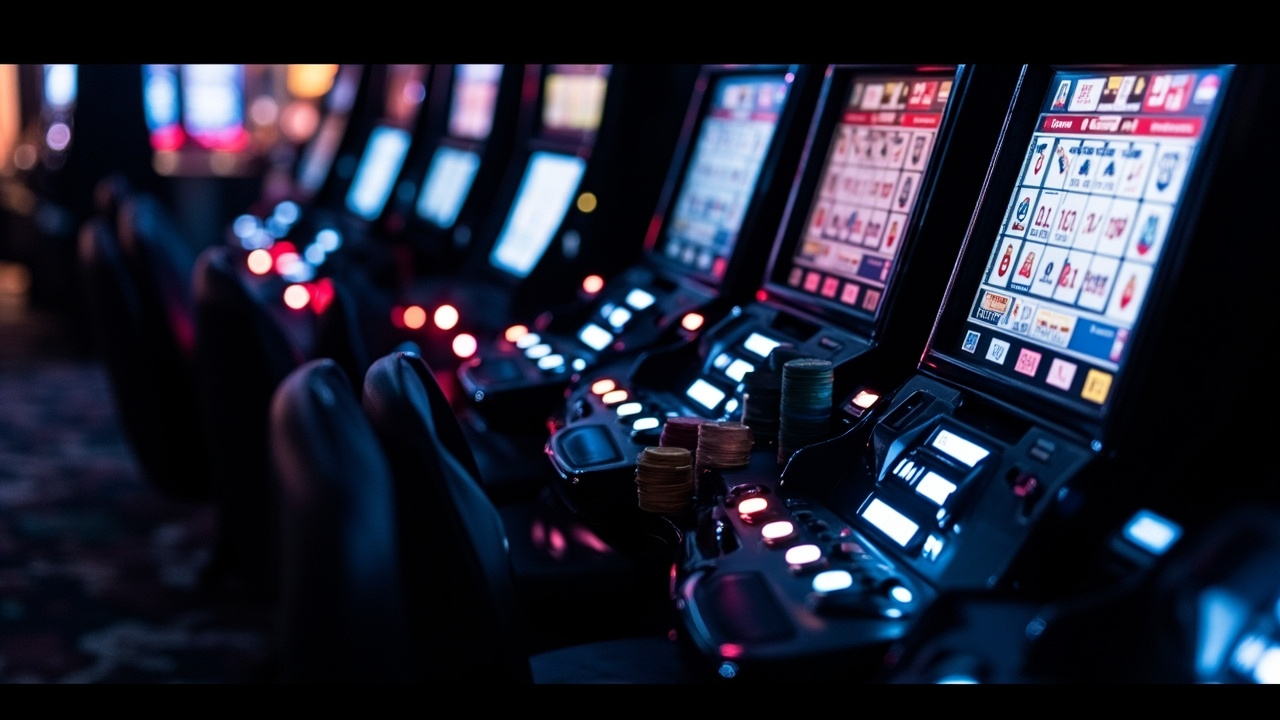
When you visit a local club or pull up an app, the first thing you notice is how the activity is framed. Gaming usually presents itself as a self-contained pastime: a puzzle, a simulated match, a card drill, or a social app where the goal is completion, leaderboard position, or just passing time. The entry cost is often a download, a subscription, or a cosmetic purchase, and the outcome doesn’t hinge on a live opponent or a randomised payout table. You know roughly what you’re buying into, and the return is measured in enjoyment, progress, or social interaction rather than cash.
Gambling, by contrast, is built around wagering something of value on an uncertain result. The structure invites a stake, a predicted outcome, and a payout that depends on chance or a house edge. That doesn’t make it inherently worse or better; it simply means the activity is designed around risk and reward, not mastery or completion. In Australian settings, that distinction shows up in how venues market their offerings, how apps label their features, and how players talk about what they’re actually doing when they tap “play”. wild card city login
The practical line often comes down to intent and structure. If you’re paying to access content, refine a skill, or compete in a simulated environment with known rules, you’re typically in gaming territory. If you’re putting money down with the expectation that a random or partially random event will determine whether you get more back than you put in, you’re operating in gambling territory. The two can sit side by side in the same app or venue, which is exactly why the difference gets muddied in everyday conversation.
What a Player Actually Encounters at Each End
Registration and First Session Flow
Signing into a gaming-focused product usually feels like onboarding for a service: you pick a profile, confirm a display name, and land in a menu of activities that you can try without immediately putting money on the line. The first session is often about learning controls, understanding the rules of a simulated match, or browsing a library of content. There’s rarely a pressure point where the app asks you to commit funds before you’ve seen how the experience plays out.
A gambling-oriented product typically asks for a different kind of first step. You create an account, verify details, and then move toward a wallet or deposit screen because the core activity depends on having a stake available. The first session usually involves choosing a market, setting a bet size, or placing a wager where the result isn’t in your hands. The flow is less about exploration and more about committing to an outcome, which is why the onboarding tends to feel more transactional from the start.
How Outcomes and Feedback Work
In gaming, feedback loops are usually tied to performance, progress, or completion. You see a score, a level result, a ranking shift, or a cosmetic reward, and the next session builds on what you just did. Even when there’s a competitive element, the structure generally rewards practice, timing, or decision-making within a defined set of rules. The experience is designed so you can repeat, improve, or simply enjoy the loop without the result being tied to a financial payout.
Gambling feedback works differently. The result arrives as a win, loss, or partial return based on odds, randomness, or a combination of both. The feedback is immediate and financial in nature, which is why the pace often feels faster and the emotional swing sharper. A player might win a round and still be down overall, or lose a single bet and walk away with nothing to show except the experience of having played. That difference shapes how people talk about “winning” in each space, because one is usually about progress and the other about returns against a stake.
Money, Limits, and Everyday Usability
Gaming products tend to monetise through access, cosmetics, subscriptions, or optional upgrades that don’t change the underlying odds of a simulated result, because there usually aren’t odds in the gambling sense to begin with. You might spend on a subscription to unlock more content, or buy a cosmetic item that changes how a profile looks. The spending is often predictable, and the value you get back is tied to entertainment or convenience rather than a payout equation.
Gambling products revolve around a wallet, deposit methods, and bet sizing, with limits and controls built around how much you can stake, deposit, or lose within a session or over time. That structure is why responsible-play tools, deposit caps, and time reminders show up more often in this space. For an Australian player, especially someone browsing options after a long day in regional Queensland, the practical question is less about which model is more fun and more about which model matches the kind of risk and feedback you’re actually comfortable with.
Who Each Model Suits Best
If you want an activity that rewards repetition, learning, and predictable spending, gaming-style products usually fit better. They work well for players who like clear goals, visible progress, and the ability to step away without a financial result hanging over the session. They’re also a better match for people who want entertainment without building a habit around staking money on uncertain outcomes.
If you’re comfortable with chance-based results and you understand that the structure is built around risk rather than skill, gambling-style products may align with what you’re after. That doesn’t require any special confidence; it just means recognising that the activity is designed around wagers, payouts, and house edges, not mastery or completion. Players who prefer that model usually accept that sessions can end with a loss, that outcomes are uncertain, and that the appeal lies in the wager itself rather than in improving a score.
For most Australian adults, the useful move is to decide which experience you actually want before you open the app or walk into the venue. If you’re after a casual pastime with a clear end point and predictable cost, lean toward gaming. If you’re after a wager-based experience with chance-driven results, treat it as that, not as a disguised skill activity. Either way, the difference matters because it shapes what you expect, what you spend, and how the session feels when it’s over.
A few terms that come up often in this space: gaming usually refers to skill-based or entertainment-focused play where the value is in progress, completion, or enjoyment; gambling refers to wagering value on an uncertain outcome with a financial result; house edge describes the built-in advantage that shapes long-term returns in chance-based play; stake is the amount you put at risk in a single wager; and payout is what you receive if the outcome lands in your favour.